


Editor’s note: This investigation was originally published in April, when Telos News launched and before most of you had subscribed. I’ve taken it down and restructured it as a miniseries for subscribers to binge on through the holidays. As you’ll see, the themes are related to what you’ve been reading in the Bamboo Series, and together the two series will help you understand the birth of this Substack—and where it’s headed in 2026. In this email are Parts I and II. The final installment of the Bamboo Series will land after this interlude and before the end of the year. Enjoy! — Ryan
I. The Laptop
I learned that the lawyer at the heart of it all had some secrets of his own.
In late summer 2023, someone broke into the law firm of well-known Charlottesville, Virginia, attorney Steven Biss. His office was allegedly “ransacked,” folders with Biss’s documents went missing, and his laptop, which contained “all” of his “client files,” was gone, “taken by an unknown person.”
Considering Biss’s client list, this was no small matter.
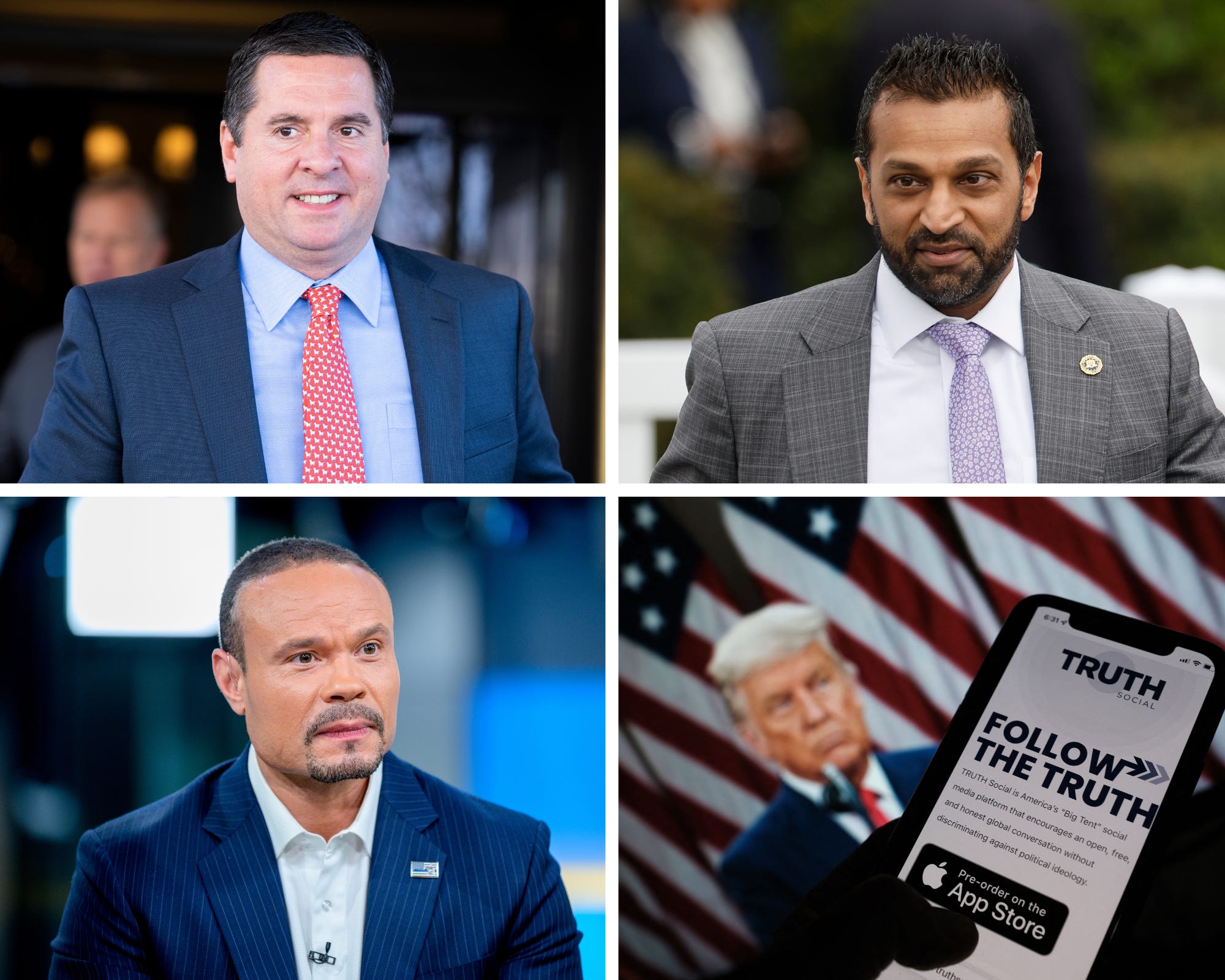
Biss not only represented Donald Trump’s media company, Trump Media and Technology Group (TMTG), which runs Truth Social, but also a network of MAGA luminaries who now populate the upper ranks of the Trump administration, including Kash Patel, the director of the FBI; Dan Bongino, the FBI’s deputy director1; and Devin Nunes, who was the top Republican on the House Intelligence Committee and is now the CEO of TMTG and the chair of the President’s Intelligence Advisory Board.
Biss’s “client files” included a lot more than just the sensitive personal information of top Trump intelligence and law enforcement officials. In Biss’s possession were also sensitive secrets from some of the world's biggest media companies.
Biss is best known for suing reporters and news organizations for defamation. Several of his high-profile cases reached the discovery phase, when thousands of pages of internal documents were produced by both his MAGA plaintiffs and the media defendants they sued, including CNN, The Washington Post, NBCUniversal, and Esquire, where I previously served as Chief Political Correspondent.
Many of the documents produced during discovery in these cases were shielded from public disclosure—and even to the opposing client—by “counsels-eyes-only” protective orders. When sensitive documents were included as exhibits or in motions, they were often redacted or filed under seal. For instance, in a lawsuit filed by the family of Michael Flynn against CNN, “highly confidential” documents were sealed at the request of Biss, and “confidential exhibits” were filed by CNN. In a Nunes case against NBC, a broad protective order covers “confidential, proprietary, or private information” exchanged in discovery, including “newsgathering information,” “competitively sensitive information,” and any personal information that, if disclosed, “would cause injury.” In a Nunes case against The Washington Post that touches on classified intelligence matters, the docket includes numerous sealed filings and references to “highly Confidential Material.”
These public dockets only hint at what was in Biss’s stolen computer if it included “all client files,” because the universe of confidential material produced in discovery is much larger than what’s formally used in a case.
I know firsthand the kinds of sensitive information that parties exchange during discovery in a complicated defamation case. Nunes, Biss’s most prolific plaintiff, and Nunes’s family, filed a pair of lawsuits against Esquire and me in 2019 and 2020 over an article I wrote about the use of undocumented labor at the dairy owned by Nunes’s parents. Backed by a brilliant and dogged team of lawyers at Hearst, which owns Esquire, I spent the last six years fighting Nunes and Biss in court.
Biss’s case files in my lawsuit would include the names and personal information of undocumented workers hired by the Nunes family dairy in Sibley, Iowa, Devin Nunes’s tax returns and phone records, information we subpoenaed from Trump’s media company, files related to a political group founded by J.D. Vance, and sensitive reporting files that I turned over under the strict terms of a protective order.
Being targeted with frivolous litigation by one of the most powerful officials in America wasn’t fun. The case—and the cartoonish demand for over $100 million in damages—hung over me for years. It made it more difficult to report on Trump and his allies. It forced me to spend untold hours responding to burdensome discovery requests and preparing for two day-long depositions as well as a potential trial.
But it also gave me a much deeper understanding of the defining feature of President Trump’s first year in office: the weaponization of the government on behalf of Trump and the MAGA movement against their critics.
I learned a lot tangling with Nunes and Biss, and much more when I started down the rabbit hole of what happened to Biss—and his computer—after Biss suddenly disappeared from our case in 2023. I learned what it’s like to be targeted by powerful government officials who don’t approve of what you say about them, something many ordinary Americans and institutions have now experienced in 2025. I learned what it’s like inside the right-wing effort to turn back the clock on press freedoms. And I learned that the lawyer at the heart of it all, the one who lost that laptop with all of those MAGA and media secrets on it, had some secrets of his own.
II. Devin’s Journey
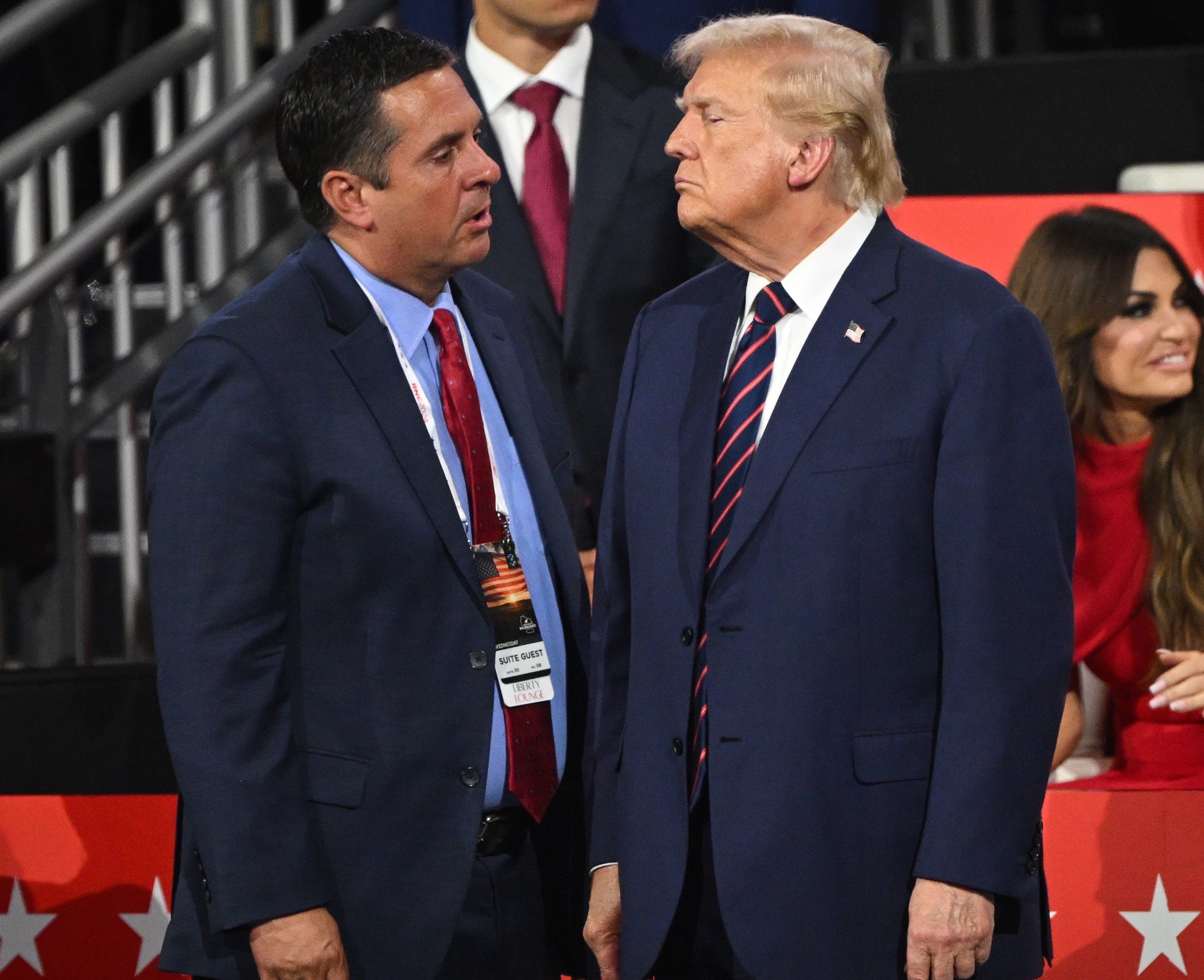
Before Trump refined and expanded this plan, Nunes and Biss were down there in the minor leagues, testing it out in courthouses across America.
When I first met Rep. Devin Gerald Nunes a decade ago, he was not who he is today.
